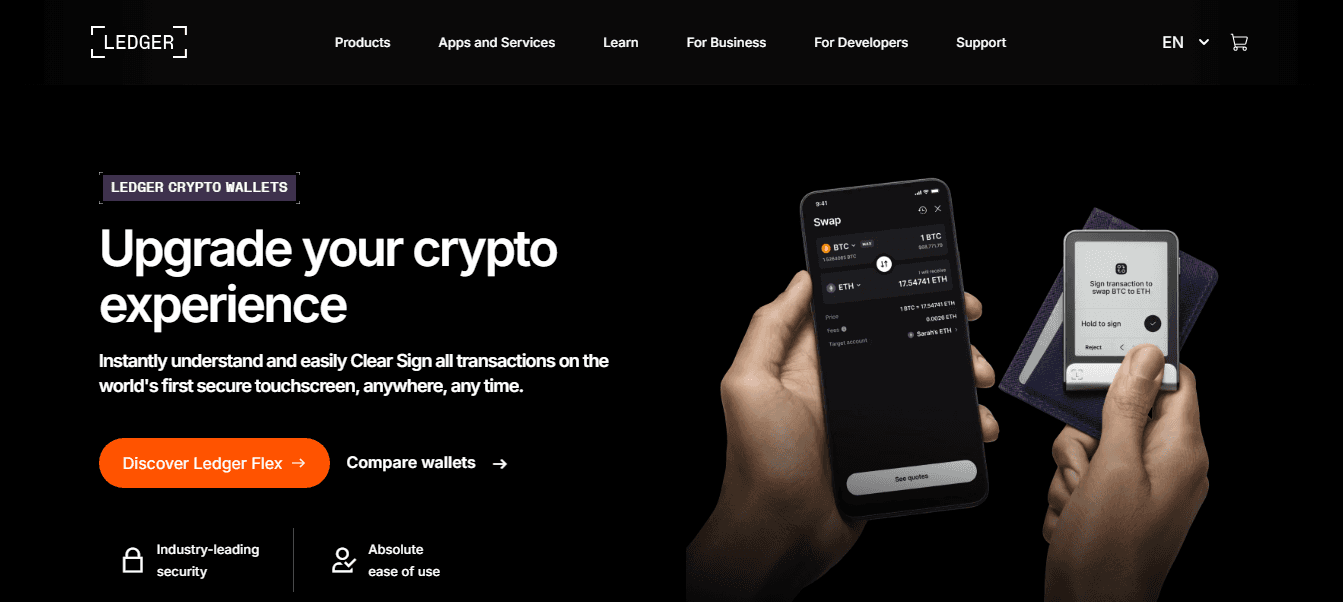
Ledger Login: A Secure Method for Accessing Cryptocurrency Assets
Ledger login is a secure authentication process that allows users to access and manage their cryptocurrency assets through a Ledger hardware wallet. Unlike traditional login systems that rely on usernames, passwords, or centralized accounts, Ledger login uses hardware-based verification. This approach ensures that private keys remain offline and fully controlled by the user, offering a high level of protection against online threats.
What Is Ledger Login?
Ledger login refers to the process of securely accessing crypto accounts using a Ledger hardware wallet in combination with Ledger software. Instead of signing in with credentials stored online, users authenticate themselves by connecting their Ledger device and unlocking it with a personal PIN.
This method eliminates common security risks associated with password-based systems. There are no online accounts to compromise and no credentials that can be stolen remotely. Access is granted only when the physical device is present and properly verified.
How Ledger Login Works
The Ledger login process begins when a user connects their Ledger hardware wallet to a computer or mobile device. The Ledger software detects the device and requests authentication. The user then enters their PIN directly on the Ledger device.
Once the correct PIN is entered, the device unlocks and allows access to account information. Private keys remain securely stored within the hardware wallet and are never shared with the connected device. All sensitive actions are handled internally by the hardware wallet itself.
Why Ledger Login Is Highly Secure
Ledger login is designed to protect users from a wide range of digital threats. Because private keys never leave the hardware wallet, malware and keylogging software cannot access them. Even if a computer or mobile phone is compromised, attackers cannot move funds without the physical Ledger device.
Additionally, every transaction requires manual confirmation on the hardware wallet. This ensures that no unauthorized transfers can occur without the user’s direct approval, adding a critical layer of security.
Setting Up Ledger Login for the First Time
Setting up Ledger login is a guided and user-friendly process. When initializing a Ledger hardware wallet, users are asked to create a PIN code directly on the device. This PIN is required each time the device is used.
During setup, users are also given a recovery phrase. This phrase is essential for restoring access to assets if the hardware wallet is lost, damaged, or replaced. Proper storage of the recovery phrase is crucial, as it represents full access to the crypto assets.
Accessing Accounts Through Ledger Login
After setup is complete, Ledger login allows users to access their cryptocurrency accounts securely. When the Ledger device is connected and unlocked, users can view balances, review transaction history, and manage accounts through the Ledger software interface.
Ledger login does not automatically authorize transactions. Viewing account data and approving transfers are separate actions, ensuring that access alone does not grant permission to move funds.
Ledger Login on Desktop Devices
Using Ledger login on a desktop computer provides a comprehensive experience for crypto management. After connecting the Ledger device and entering the PIN, users can manage multiple accounts, organize assets, and monitor detailed transaction histories.
The desktop environment is particularly useful for users who manage larger portfolios or prefer a detailed overview of their assets. Ledger login ensures that even advanced account management tasks remain secure.
Ledger Login on Mobile Devices
Ledger login is also available on mobile devices, offering convenience while maintaining strong security standards. Users can connect their Ledger hardware wallet to a smartphone and authenticate using the device PIN.
The mobile login experience allows users to check balances, receive cryptocurrency, and initiate transactions while on the move. All sensitive actions still require confirmation on the hardware wallet, ensuring consistent protection across platforms.
The Role of the PIN Code in Ledger Login
The PIN code is a key component of Ledger login security. It prevents unauthorized access to the hardware wallet if it is lost or stolen. The PIN is entered directly on the device and is never shared with connected software.
If the PIN is entered incorrectly multiple times, the device automatically resets to protect stored assets. This feature ensures that even physical access alone is not enough to compromise funds.
Importance of the Recovery Phrase
The recovery phrase is the ultimate backup for Ledger login. It allows users to restore their crypto assets on a new Ledger device if the original one is no longer available.
This phrase must be stored securely offline and never shared with anyone. Anyone with access to the recovery phrase can gain full control of the assets, making its protection one of the most important responsibilities for Ledger users.
Ledger Login and Transaction Approval
Ledger login provides access to account information, but transactions require a separate approval process. When a user initiates a transaction, the details are sent to the Ledger hardware wallet.
The user must review the transaction details on the device screen and confirm them manually. This ensures that transaction data has not been altered and that funds are sent only with the user’s explicit consent.
Common Ledger Login Issues
Some users may experience occasional issues during Ledger login, such as connectivity problems or device detection errors. These issues are often related to outdated software, locked devices, or temporary connection interruptions.
Most login issues can be resolved by reconnecting the device, restarting the application, or ensuring the device is properly unlocked. Ledger login is designed to be stable, and most problems are simple to fix.
Privacy Benefits of Ledger Login
Ledger login offers strong privacy protection by eliminating the need for personal accounts or online registration. Users are not required to provide email addresses, usernames, or personal details to access their assets.
All authentication and account management occur locally, giving users full control over their data. This privacy-focused design supports the decentralized nature of cryptocurrency ownership.
Advantages of Using Ledger Login
Ledger login provides multiple advantages, including enhanced security, user privacy, and full ownership of assets. Hardware-based authentication significantly reduces the risk of hacking and unauthorized access.
By removing reliance on centralized services and passwords, Ledger login empowers users to manage their crypto independently and confidently.
Best Practices for Secure Ledger Login
To maintain maximum security, users should protect their Ledger device, PIN code, and recovery phrase at all times. Devices should be stored securely, and recovery phrases should be kept offline in a safe location.
Users should also keep their Ledger software and device firmware up to date. Regular updates help improve security and ensure a smooth login experience.
Ledger Login for Long-Term Crypto Protection
Ledger login is especially suitable for long-term crypto holders. By keeping private keys offline and requiring physical confirmation for access and transactions, it provides strong protection against evolving digital threats.
This makes Ledger login a reliable solution for storing and managing cryptocurrency over extended periods.
Conclusion
Ledger login is a secure and dependable method for accessing and managing cryptocurrency assets. By replacing traditional password-based systems with hardware authentication, it offers superior protection and complete user control.
Through PIN verification, recovery phrase backup, and manual transaction approval, Ledger login ensures that only authorized users can access and move funds. Whether used on desktop or mobile, it provides a trusted and privacy-focused experience for anyone serious about crypto security.